
As a farmer, your ultimate goal is to get the most out of your land. You pour your heart, sweat, and resources into your fields, hoping for a harvest that not only covers your costs but also brings prosperity. For cotton and chilli farmers in regions like Madhya Pradesh, achieving a high yield is a constant challenge, with factors like unpredictable weather and pest pressure always looming.
But what if there was a way to “talk” to your plants? A way to guide their growth, encourage them to produce more flowers and fruits, and ultimately, significantly boost your yield? This is where Plant Growth Regulators, or PGRs, come in. They are a powerful tool in modern agriculture that, when used correctly, can unlock the true potential of your cotton and chilli crops.
This guide is designed to be your friendly resource, demystifying the science of PGRs and providing practical advice on how to use them to achieve a bumper harvest.
What Are Plant Growth Regulators (PGRs) and How Do They Work?
Think of Plant Growth Regulators as tiny messengers that carry specific instructions to different parts of the plant. These are chemical substances that, in very small amounts, can promote, inhibit, or modify the plant’s natural growth processes.
Plants naturally produce their own growth hormones (like auxins, gibberellins, and cytokinins) to manage everything from root growth to flowering. PGRs are synthetic or naturally derived compounds that can supplement or influence the effects of these internal hormones.
By applying the right PGR at the right time, you can:
- Control the plant’s size and shape: Prevent the plant from growing too tall and lanky, and encourage more branching.
- Increase flowering: Stimulate the plant to produce more flowers.
- Reduce flower and fruit drop: Help the plant to hold onto its flowers and developing fruits, converting more of them into a harvestable yield.
- Improve fruit quality: Lead to more uniform, larger, and higher-quality fruits and cotton bolls.
- Enhance stress tolerance: Help the plant to better withstand environmental stresses like drought.
In essence, PGRs help you channel the plant’s energy away from excessive vegetative growth and direct it towards what really matters: producing a high-quality yield.
The Challenge in Cotton and Chilli Farming: Uncontrolled Growth and Flower Drop
Both cotton and chilli are “indeterminate” plants. This means they can continue to grow vegetatively (producing more stems and leaves) at the same time as they are trying to produce flowers and fruits. This can lead to several problems:
- Excessive Vegetative Growth: If the plant receives too much nitrogen or experiences cloudy weather, it can put all its energy into growing tall and bushy. This “jungle-like” growth shades the lower parts of the plant, reduces air circulation (making it more prone to diseases), and, most importantly, diverts energy away from flower and boll/fruit production.
- Flower and Fruit Drop (Shedding): This is one of the most frustrating problems for farmers. The plant produces a good number of flowers, but a large percentage of them simply drop off before they can develop into a boll or a chilli. This can be caused by hormonal imbalances, nutrient deficiencies, or environmental stress.
PGRs are specifically designed to tackle these two major issues.
Choosing the Right Plant Growth Regulator for Your Crop
The market is filled with various PGR products, and choosing the right one can be confusing. It’s important to understand the active ingredients and what they do. Raj Pesticides Pvt. Ltd. offers a scientifically formulated range of PGRs designed to meet the specific needs of farmers.
Let’s look at some key PGRs and how they benefit cotton and chilli crops.
For Controlling Plant Height and Promoting Reproductive Growth
These PGRs are known as growth retardants. They work by inhibiting the production of gibberellins, the plant hormones responsible for stem elongation. This doesn’t harm the plant; it simply redirects its energy.
- Mepiquat Chloride: This is one of the most widely used and trusted PGRs in cotton cultivation globally. It is excellent for controlling the vertical growth of the cotton plant, leading to a more compact, “pyramid-like” shape. This allows for better sunlight penetration and air movement, reducing the risk of diseases like boll rot. The energy saved from vertical growth is channelled into producing more squares (flower buds) and bolls.
- Raj Pesticides Product: MEQUAT-5, containing Mepiquat Chloride 5% AS, is the ideal choice for cotton farmers looking to manage plant height and boost boll setting.
- Paclobutrazol: This is another powerful growth retardant that is highly effective in both cotton and chilli. It reduces vegetative growth and promotes the setting of flowers and fruits. In chilli, it can lead to more branching, more flowers, and a higher number of fruits per plant.
- Raj Pesticodes Product: MAGIC, with its formulation of Paclobutrazol 40% SC, is a potent solution for farmers who want to see a significant increase in the flowering and fruiting of their crops.
For Enhancing Overall Plant Health and Yield
Beyond just controlling height, a holistic approach to plant nutrition and growth is key. This involves using products that provide essential nutrients and bio-stimulants that improve the plant’s overall vigour.
- Advanced Nutrient Formulations: Modern PGR products are often enriched with a blend of nutrients and organic compounds that act as powerful yield boosters.
- Raj Pesticides Product: NEXUS is a prime example of such a product. Described as a “Powered Yield Booster With Advance Nutrient Technology”1, it provides the plant with the essential building blocks it needs to support a heavy boll or fruit load.
- Raj Pesticides Product: CHAMPION PLUS, which contains Activated Humic Acid, Fulvic Acid, and Amino Acid2, is another excellent choice. Humic and fulvic acids improve soil health and nutrient uptake, while amino acids are the building blocks of proteins and help the plant to better cope with stress.
The Correct Way to Use PGRs: Timing and Dosage are Everything
Using a PGR is not a one-time fix. It’s a strategic process that requires you to apply the right product at the right stage of the crop’s growth. Applying too early, too late, or at the wrong dose can lead to poor results or even damage the crop.
Application Strategy for Cotton
The goal in cotton is to create a well-balanced plant that can support a large number of healthy bolls.
- First Application (Square Initiation Stage): The first spray should be done when the cotton plant is at the square (flower bud) formation stage, typically around 45-60 days after sowing.
- Recommended Product: A spray of MEQUAT-5 at this stage will help to control the early vegetative growth and encourage the plant to produce more squares.
- Dosage: Always follow the dosage recommended on the product label.
- Second Application (Flowering Stage): A second application is often needed about 15-20 days after the first one, during the peak flowering period.
- Recommended Product: Another application of MEQUAT-5 can be done to manage the plant canopy. Alternatively, if the focus is on converting flowers into bolls and boosting overall plant strength, a product like NEXUS or CHAMPION PLUS can be used.
- Dosage: Adhere strictly to the label recommendations.
- Key Considerations for Cotton:
- Assess Plant Growth: The decision to spray should be based on the condition of your crop. If the plants are growing too vigorously, a PGR is definitely needed. If the plants are weak or under stress, you should first address the underlying issue (e.g., nutrient deficiency or lack of water).
- Soil and Weather: The need for PGRs is higher in fertile, well-irrigated soils where the plants tend to grow more vigorously.
Application Strategy for Chilli
In chilli, the objective is to promote more branching, increase the number of flowers, and ensure a higher percentage of these flowers develop into healthy chillies.
- First Application (Active Vegetative Growth Stage): The first spray should be done about 30-40 days after transplanting when the plant is growing actively.
- Recommended Product: An application of a potent PGR like MAGIC (Paclobutrazol 40% SC) at this stage will check the vertical growth and encourage the development of more side branches. More branches mean more sites for flowers to emerge.
- Dosage: Paclobutrazol is a very potent chemical, so using the correct, recommended dose is extremely important.
- Second Application (Pre-Flowering to Flowering Stage): A second application may be beneficial about 20-25 days after the first one, just as the plant is beginning to flower.
- Recommended Product: A second, low-dose spray of MAGIC can help to further enhance flowering. To improve flower retention and fruit quality, this can be followed up with a spray of CHAMPION PLUS or NEXUS, which provide the necessary nutrients and bio-stimulants.
- Dosage: Always refer to the product label for the correct dosage and application interval.
Best Practices for Applying Plant Growth Regulators
To get the best results from your investment in PGRs, follow these simple but crucial best practices:
- Read the Label Carefully: This cannot be stressed enough. The product label is your most important guide. It contains vital information on the correct dosage, timing, and safety precautions.
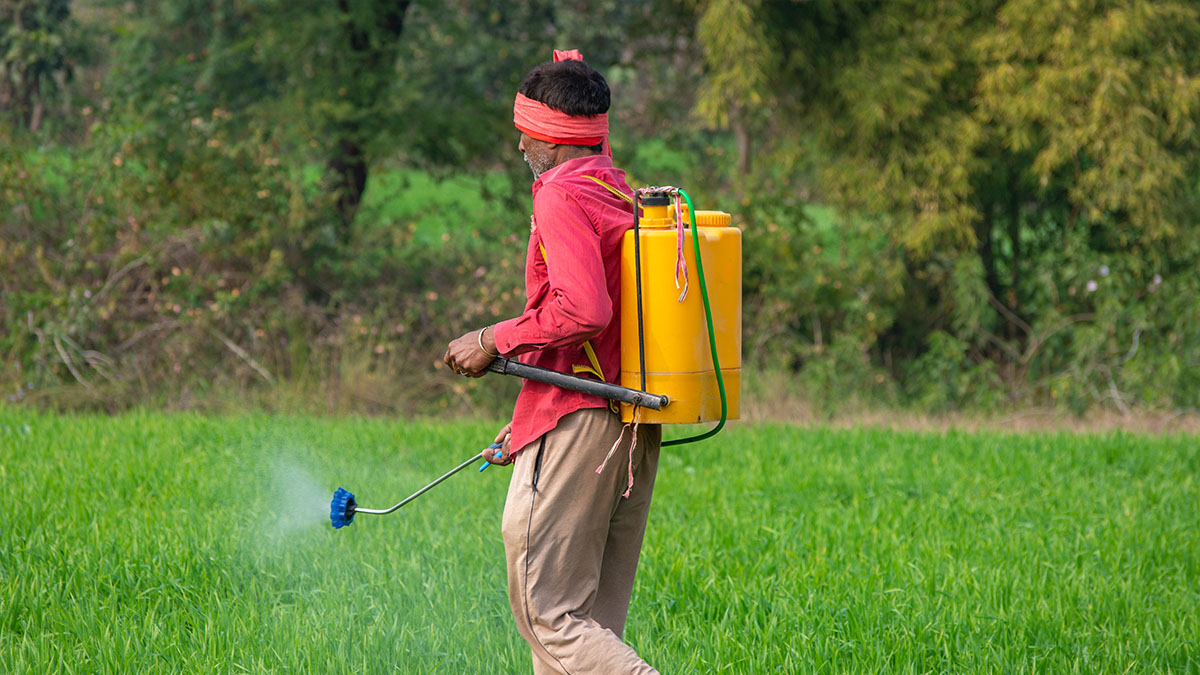
- Use the Right Equipment: Ensure your sprayer is clean and properly calibrated. Use a nozzle that provides a fine mist for uniform coverage of the entire plant.
- Spray at the Right Time of Day: The best time to spray is in the cool hours of the morning or evening. This allows the plant to absorb the PGR effectively and reduces the risk of leaf burn.
- Ensure Adequate Soil Moisture: The plant should not be under water stress when you apply PGRs. Ensure the field has adequate moisture, as the plant needs to be actively growing to respond to the treatment.
- Don’t Mix Incompatibles: Avoid mixing PGRs with other chemicals unless specified on the label. Incompatible tank mixes can reduce the effectiveness of the products.
- Prioritize Safety: Plant Growth Regulators are chemicals. Always wear the recommended Personal Protective Equipment (PPE), such as gloves, goggles, and a mask, when handling and spraying these products.
Conclusion: Take Control of Your Crop’s Destiny
As a farmer, you are a steward of your land and a master of your craft. Plant Growth Regulators are not a magic bullet, but they are a scientifically proven tool that, when integrated into a good farming system, can make a world of difference.
By understanding the needs of your cotton and chilli crops and by using high-quality, reliable products from Raj Pesticides Pvt. Ltd. like MEQUAT-5, MAGIC, NEXUS, and CHAMPION PLUS, you can move beyond simply reacting to problems. You can proactively manage your crop’s growth, channel its energy towards higher yields, and take a significant step towards a more profitable and successful farming season.
Take control of your crop’s destiny. Guide it, nurture it, and watch it reward you with a harvest that reflects your hard work and smart choices.
Disclaimer: This guide is for informational purposes only. The recommendations provided are based on general agricultural principles. Always consult with a local agricultural expert or extension officer for advice tailored to your specific field conditions, crop variety, and soil type. Always read and follow the product label instructions before use.
Frequently Asked Questions (FAQs)
Q1: Can I use the same PGR for both cotton and chilli?
While some PGRs like Paclobutrazol (found in MAGIC) can be effective on both crops, the recommended dosage and application timing will be different. Products like Mepiquat Chloride (found in MEQUAT-5) are more commonly used and extensively tested for cotton. It’s crucial to use the right product for the right crop as per the label recommendations.
Q2: What will happen if I apply a higher dose of a PGR than recommended?
Overdosing a PGR, especially a growth retardant, can have negative effects. It can excessively stunt the plant’s growth, cause leaf yellowing, and may even reduce the yield. It is vital to measure the dose accurately and follow the label instructions precisely.
Q3: Can I use PGRs on a crop that is weak or suffering from a pest attack?
It is not advisable. A PGR should be applied to a healthy, actively growing crop. If your crop is weak due to a lack of nutrients, water stress, or a pest/disease attack, you should first address that primary problem. Applying a PGR to a stressed plant will not give you the desired results.
Q4: Do I still need to use fertilizers if I am using PGRs?
Absolutely. PGRs are not a substitute for fertilizers. They help the plant to use nutrients more efficiently, but they do not provide the essential NPK and micronutrients themselves. A balanced fertilization program is the foundation of a healthy crop, and PGRs are a tool to optimize the potential created by good nutrition.
Q5: Where can I find genuine Raj Pesticides products?
To ensure you are getting authentic and effective products, always purchase from an authorized dealer of Raj Pesticides Pvt. Ltd. You can contact the customer care number provided on the company’s official brochure or website to find a dealer in your area.
